We are now operating in PR’s Authority Era. An environment where growth is no longer driven by visibility alone — it’s driven by which brands are treated as credible before purchase decisions are made.
Most companies are investing heavily in performance marketing, SEO, and content. But they are missing a system for building and reinforcing market-level credibility. Without this last mile, those investments become less efficient over time.
Modern PR — redesigned as Credibility Architecture — is the missing link that turns visibility into authority, and authority into growth.
At a Glance
- Customer acquisition costs are rising and performance marketing alone is no longer enough.
- Consumers — and AI systems — form opinions about credible brands before purchase decisions are made.
- In today’s Authority Era, the brands treated as trusted sources shape demand before conversion begins.
- Most companies invest in SEO, paid media, and content — but lack a structured system for building market-level credibility.
- Modern PR, redesigned as Credibility Architecture, is the missing link that turns visibility into authority — and authority into growth.
- Brands that intentionally build authority improve consideration, conversion efficiency, and long-term brand equity.
Why An Authority Program Is Critical Today

Customer acquisition costs are rising.
Paid media is less predictable.
Search traffic is fragmenting.
Consumer trust is eroding.
Marketing teams are being asked to deliver more growth with tighter budgets.
This isn’t just a channel problem. It’s a credibility problem.
Before a consumer ever clicks your ad, visits your website, or engages with your content, they’ve already formed an opinion about who in your category is credible.
That perception increasingly determines:
- Who makes the shortlist
- Who commands pricing power
- Who converts efficiently
- Who becomes the default recommendation
Growth is no longer driven by visibility alone. AI search has changed the game. Today, authority is driven by which brands are treated as credible before a purchase decision is made. Often, AI programs are delivering to consumers what they believe to be credible sources.
Today, credibility comes from demonstrating expertise in the ways and places that inform both people and machines. With this credibility comes authority, and from authority comes trust: the most important element in a brand’s ability to drive sales.
Most companies are investing heavily in SEO, digital, content, and paid media. But without a system for building and reinforcing market-level credibility, those investments become less efficient over time.
Modern PR — redesigned as Credibility Architecture — is the missing link that turns visibility into authority, and authority into growth. The good news is that the AI era has created an opportunity for brands to efficiently build authority in a way that has not been possible before.
The key is a well-constructed, properly synced combination of on-site content, intentional media coverage, content marketing, influencers and promotional efforts that can lay the track for this last mile
Read on to see how it all comes together.
What Authority Means to Consumers
When we talk about authority, we’re talking about:
- Perceived expertise
- Trusted positioning
- Category leadership
- Referenced status
- Pre-purchase influence
That’s not SEO authority. This is bigger: we’re talking about how consumers view your brand, especially through AI search as a credible solution to what they are seeking. Brands that register as credible become authorities, shaping demand before conversion begins. Authority influences:
- Share of consideration
- Conversion efficiency
- Customer acquisition cost
- Retail leverage
- Long-term brand equity
Authority is upstream revenue leverage.
The Last Mile: Implementing Your Credibility Architecture
Most brands are active. They have:
- An SEO partner
- A digital agency
- Paid campaigns
- Content production
- Media relations
What’s missing is an intentional system for building and reinforcing credibility across the ecosystem that shapes discovery. This system is Credibility Architecture: the deliberate design, reinforcement, and measurement of a brand’s perceived expertise across the platforms that influence buying decisions.
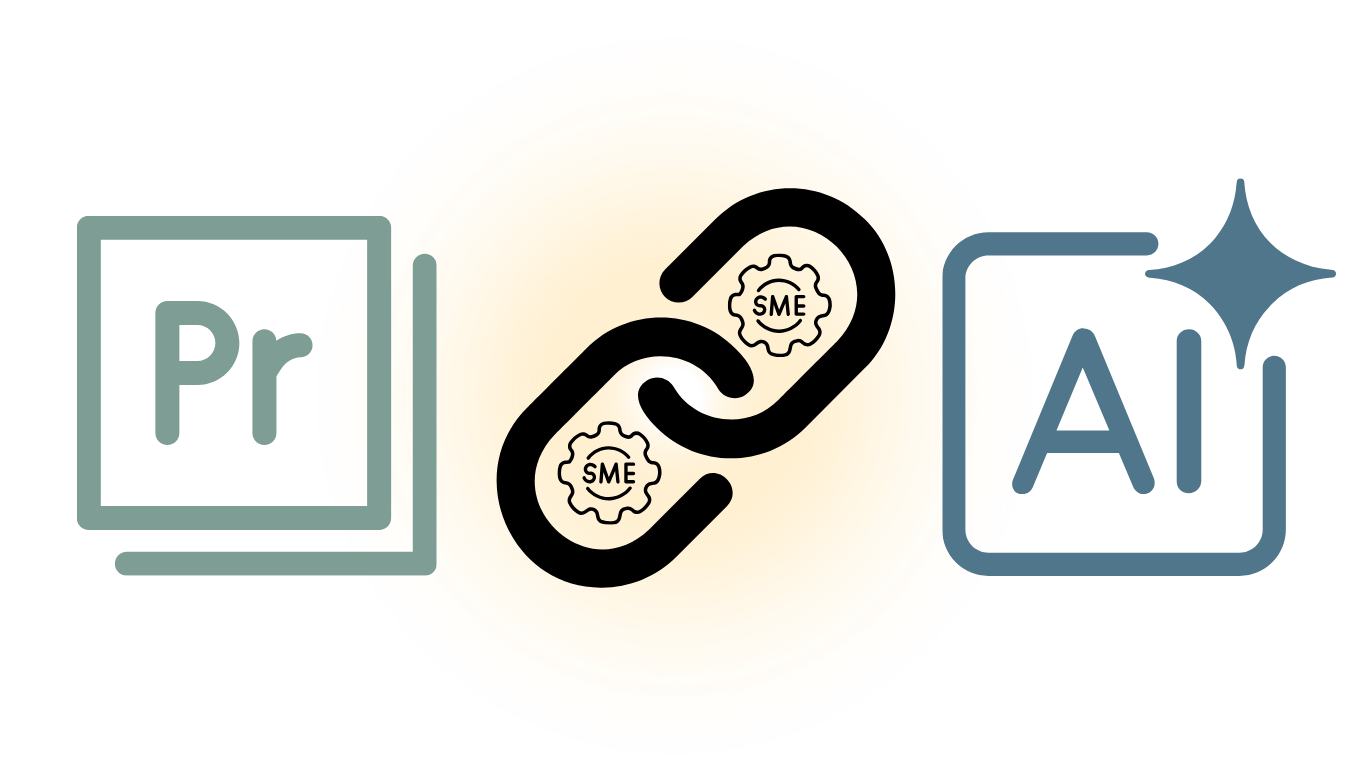
It begins with a structural shift: From publishing content…to building a Subject Matter Expert (SME) educational hub on your website. Not a blog. Not promotional copy. A knowledge center that:
- Answers category-defining questions
- Provides evidence-backed education
- Establishes expert voice
- Is built to be referenced externally
This becomes the foundation.
Then, an ecosystem of coverage, content, and influencer networks, designed to attract the attention of LLM models like ChatGPT, becomes the breadcrumbs that lead back to the SME hub where purchase consideration is informed.
In addition, tying PR and content together in a way that all comes together will result in your brand being cited as an expert in AI search results. Authority is now presented to consumers on your terms. Own the authority, and you own consumer perceptions and preferences based on your approach, ideas, and products, not your competitors.
Why PR Is Uniquely Positioned to Lead
This evolution is not a departure from PR’s roots. It’s a return to them — expanded. PR has always been about:
- Third-party validation
- Earned credibility
- Trusted positioning
- Narrative influence

What’s changed is where credibility is adjudicated. Today’s discovery systems — AI platforms, search engines, media ecosystems, influencers — reward exactly the kinds of signals PR has always generated:
- Earned coverage
- Expert commentary
- Consistent external validation
- Repeated citation
Other disciplines optimize for clicks and rankings. PR optimizes for trusted association. And when discovery systems increasingly prioritize credibility signals, PR becomes the strategic engine of authority — not just awareness.
This doesn’t replace SEO or digital. It strengthens them. SEO optimizes content. Digital amplifies reach. Modern PR builds the credibility layer that makes other marketing channels more effective.
Reinforcement: Turning Expertise Into Authority
Owned expertise alone doesn’t create authority. Authority is conferred by building an ecosystem consisting of:
- Media coverage (Especially in those outlets most cited by AI)
- Bylined articles referencing your SME hub
- Educational content that positions the brand as the authority
- Expert commentary in trusted publications
- Podcasts and speaking opportunities
- Influencer alignment tied to educational insights
- Consistent reinforcement of core authority themes
Over time, this creates citation loops. The brand becomes referential. And referential brands shape demand.
Measuring Authority: The Authority Quotient™
In the Authority Era, credibility must be measurable. That’s why CBC PR developed the Authority Quotient™ to benchmark a brand’s market-level authority across:
- Earned authority strength
- AI and search visibility
- Executive expertise presence
- Third-party validation density
- Competitive citation positioning
This is not about ranking for keywords. It’s about answering a more important question: Are you seen as the authority in your category — or is someone else?

What gets measured gets prioritized. Authority becomes strategic when it becomes benchmarked. By intentionally building a Credibility Architecture, a brand benefits in meaningful, measurable ways:
- Share of consideration increases
- Conversion friction decreases
- Paid media performs more efficiently
- Retail positioning strengthens
- Long-term equity compounds
The absence of authority rarely causes a sudden decline. It causes gradual erosion. Competitors become the default answers. Your brand becomes neutral. And neutrality is expensive.
How to Get Started: Conducting an Authority Audit
We are firmly in the Authority Era. The brands that shape the answers shape the demand. The question is not whether this shift is happening. It’s whether you are intentionally building Credibility Architecture — or leaving authority to chance.
If you want to understand where your brand stands, we begin with an Authority Audit:
- How often are you cited in AI-driven discovery?
- Which competitors dominate authoritative answers?
- Where are your credibility gaps?
- How strong is your Authority Quotient™?
Modern PR is no longer about earning attention. It’s about earning authoritative status in the systems that shape demand. And that status is now one of the most underleveraged growth levers in modern marketing.
Frequently Asked Questions
What is the Authority Era?
The Authority Era is the current phase of marketing in which brand growth is driven not by visibility alone, but by which brands are perceived as credible before a purchase decision is made. The term describes a structural shift in how consumers — and AI systems — evaluate brands. Where earlier marketing eras rewarded reach and awareness, the Authority Era rewards trusted status. A brand with high visibility but low authority loses ground to competitors that have built the credibility signals that inform both human judgment and machine-generated recommendations. The Authority Era is defined by the fact that AI search platforms now deliver credibility verdicts at scale, surfacing the brands they treat as authoritative in response to millions of consumer queries every day.
What is Credibility Architecture?
Credibility Architecture is a systematic approach to building and reinforcing a brand’s perceived expertise across the platforms and channels that influence buying decisions. Developed by CBC PR, Credibility Architecture treats brand credibility not as a byproduct of marketing activity but as a deliberately designed asset. It combines an owned Subject Matter Expert content hub, earned media placements in authoritative publications, expert commentary in trusted outlets, and consistent external validation — structured to create citation loops that establish the brand as the default authority in its category. Unlike traditional PR, which focuses on earned attention, Credibility Architecture is engineered to produce the specific signals that AI search systems, search engines, and consumers use to assign credibility before a purchase.
How does AI search change how brands need to build authority?
AI search changes brand authority building because AI systems form recommendations based on citation patterns, not just keyword rankings. When a consumer asks ChatGPT, Perplexity, or Google AI which supplement brand to trust, the AI surfaces brands that appear consistently in authoritative sources — medical institutions, health media, peer-reviewed research, and editorial publications. A brand can have strong SEO performance, significant ad spend, and high retail distribution and still be completely absent from AI-generated recommendations if it lacks the earned media and citation footprint that AI engines treat as credibility signals. This means the traditional marketing investment hierarchy — paid first, earned second — is increasingly misaligned with how discovery actually works.
What is an SME hub and how does it drive AI visibility?
An SME hub is a structured knowledge center on a brand’s website built around Subject Matter Expert content — educational, evidence-backed material that answers the specific questions consumers and AI systems are asking in each category. Unlike a blog or a content marketing feed, an SME hub is designed to be referenced externally. Each piece of content is built around a discrete question, answered with enough authority and specificity that AI engines treat it as a citable source. When an AI responds to a consumer query by drawing on content from a brand’s SME hub, the brand is cited as an authority — not as an advertiser. This is the mechanism by which owned content, done correctly, produces AI visibility that paid media cannot buy.
What is the difference between SEO and Credibility Architecture?
SEO optimizes content to rank in search results by targeting keywords, improving technical performance, and building backlinks. Credibility Architecture operates at a different level — it builds the perceived expertise and trusted status that determines whether a brand is treated as authoritative by AI systems, editorial media, and consumers before any search takes place. SEO is infrastructure. Credibility Architecture is reputation. The two are complementary: SEO ensures a brand’s content is findable; Credibility Architecture ensures that content is treated as worth citing. As AI search increasingly mediates discovery, the brands that win are those that have built both — technical visibility and the credibility signals that cause AI systems to surface them as trusted sources.
How does PR drive AI search visibility?
PR drives AI search visibility through the same mechanism it has always used — earned placement in authoritative sources — but targeted specifically at the domains AI engines cite most frequently. AI systems build their recommendations from the content they read and trust most: major health institutions, editorial media, peer-reviewed publications, and specialist authorities in each category. When a brand earns consistent coverage in these sources, it accumulates the citation footprint that causes AI engines to surface it as a credible recommendation. Traditional PR generated awareness among human readers. Modern PR, redesigned as Credibility Architecture, generates the citation signals that determine which brands AI recommends to millions of consumers who will never read those original articles.
What is the Authority Quotient™?
The Authority Quotient™ is CBC PR’s proprietary framework for measuring a brand’s market-level credibility across the channels that influence buying decisions. Rather than tracking impressions or media placements, the Authority Quotient™ benchmarks five dimensions: earned authority strength, AI and search visibility, executive expertise presence, third-party validation density, and competitive citation positioning. The result is a single measurable score that answers the question most marketing dashboards cannot: are you seen as the authority in your category, or is a competitor filling that role? The Authority Quotient™ makes brand credibility a strategic metric — something that can be tracked, improved, and attributed to specific PR and content activities over time.
What is an Authority Audit and what does it reveal?
An Authority Audit is the diagnostic process CBC PR uses to establish a brand’s current credibility position before building a Credibility Architecture program. The audit measures how often the brand is cited in AI-driven discovery, which competitors are dominating authoritative answers in the category, where the brand’s credibility gaps are relative to the questions consumers are asking, and what the brand’s current Authority Quotient™ score is. Most brands that commission an Authority Audit discover that their credibility gaps are larger than expected — and that those gaps are costing them in consideration, conversion efficiency, and competitive positioning — even when their marketing programs appear healthy by traditional metrics.
How long does it take to build brand authority through Credibility Architecture?
Building brand authority through Credibility Architecture is a compounding process, not a campaign. Initial results — new media placements, early citation appearances in AI responses — typically emerge within four to eight weeks of consistent program execution. Meaningful shifts in AI visibility and share of authoritative voice generally develop over three to six months as citation patterns accumulate. The long-term value compounds over time: a brand that has built a deep credibility foundation across authoritative domains is extraordinarily difficult for a competitor to displace, because citation authority is earned incrementally and cannot be replicated through paid media. The brands that start building Credibility Architecture now will hold structural advantages that late movers will spend years trying to close.
Which brands benefit most from Credibility Architecture?
Brands that benefit most from Credibility Architecture are those where consumer trust, ingredient quality, or expertise legitimacy are significant purchase drivers — and where the gap between the brand’s actual authority and its AI-visible authority is large. This includes natural products brands, supplement companies, wellness brands, health-adjacent consumer goods, and any category where consumers ask AI for guidance before making a purchase. Brands with strong retail presence and significant marketing investment but low AI citation scores represent the highest-opportunity profile: they have established credibility in the human world that has not yet transferred to the AI discovery layer. Credibility Architecture closes that gap systematically.
About the Author

Len Cercone, Founder & CEO, CBC PR | PR & AI visibility expert. Building earned-first campaigns that influence audiences & fuel growth.